

Articles




At the 2018 NCCN conference, Sharon H. Giordano, MD, MPH, FASCO, Professor of Medicine, Department of Breast Medical Oncology, M.D. Anderson Cancer Center, Houston, provided an update on the treatment of patients with HER2-positive breast cancer, noting an “explosion of new therapies” in recent years that have had a tremendous impact on survival.

Three cancer centers share their experiences related to the struggle of understanding wide variations in the application of sterile compounding and safe handling of oncology hazardous drugs, and the costs and operating burdens of compliance with and adherence to current pharmacy standards.

In the August issue of The Oncology Pharmacist (TOP), we feature results of a clinical trial presented at the 2018 American Association for Cancer Research meeting, which showed that the addition of the immune checkpoint inhibitor pembrolizumab to chemotherapy yielded significantly longer overall survival and progression-free survival compared with chemotherapy alone in patients with newly diagnosed metastatic nonsquamous non–small-cell lung cancer.
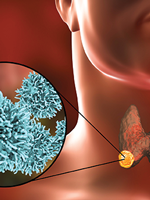
Although the FDA approval of the 2 kinase inhibitors, lenvatinib (Lenvima) and sorafenib (Nexavar), has improved progression-free survival (PFS) rates, the responses to treatment with these agents are not durable and more treatments are needed.

A burning question is whether immunotherapy combinations will further improve outcomes compared with checkpoint inhibitor therapy alone—and if so, which combinations will rise to the top.

Based on research presented at the 2018 National Comprehensive Cancer Network Annual Conference, patients weighing 60 kg to 85 kg who often receive lower-than-recommended doses of filgrastim, without evidence of its noninferiority to recommended doses, is found to be not only acceptable, but also cost-saving.

The FDA granted accelerated approval to nivolumab based on a notable clinical benefit in a subset of patients who progressed after receiving the standard first-line chemotherapy with fluoropyrimidine, oxaliplatin, and irinotecan.