

Articles
On June 26, 2024, the FDA approved epcoritamab-bysp (Epkinly; Abbvie and Genmab) as the first and only T-cell engaging bispecific antibody administered subcutaneously for the treatment of adults with relapsed or refractory follicular lymphoma (FL) after ≥2 lines of prior therapy. Read More ›
This new feature in The Oncology Pharmacist is a compendium of pioneering work by established and up-and-coming hematology oncology pharmacists and other healthcare providers working in a variety of oncology settings who published abstracts in the March issue of the Journal of Hematology Oncology Pharmacy. Read More ›
The current literature describes various methods by which pharmacists can achieve pharmacovigilance in oncology clinical practice. Finn and colleagues completed a retrospective chart review that showed a 6-fold increase in pharmacovigilance observations via pharmacist interventions with the implementation of EPIC Beacon in the electronic health record (EHR). Read More ›
Second-generation antiandrogens have been studied in 6 large, randomized, double-blind, placebo-controlled, phase 3 clinical trials, PROSPER (enzalutamide), SPARTAN (apalutamide), and ARAMIS (darolutamide) in patients with nonmetastatic castration-resistant prostate cancer (nmCRPC) and TITAN (apalutamide), ARCHES (enzalutamide), and ARASENS (darolutamide) in patients with metastatic castration-sensitive prostate cancer (mCSPC) populations. This article will review the primary and secondary end points and adverse events (AEs) in these trials. Read More ›
Clinical trial recruitment and retention remain challenges in the quest to bring innovative therapies to all patients in need. In oncology, therapies continue to evolve, yet researchers are frequently faced with low trial participation, particularly among minority groups. The Oncology Pharmacist (TOP) is dedicated to providing comprehensive information aimed at eliminating health disparities and improving access to therapies for people from all populations, including racial and ethnic minorities; people with limited access to healthcare due to lack of financial resources; and people living in rural communities. Read More ›
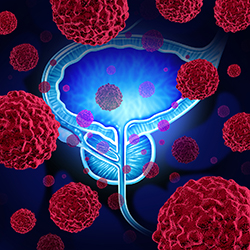
According to the National Cancer Institute, prostate cancer is the most common cancer in US men and the second highest cause of cancer death in this patient population. In fact, an estimated 299,010 new cases will be diagnosed in 2024 and approximately 12.9% of men will receive this diagnosis in their lifetime. Thus, a significant portion of your patients and their loved ones will be affected by the disease. As the nation spotlights men’s health awareness this June, test your knowledge on this prevalent disease. Read More ›
Teresa Macarulla, MD, PhD, presented the results of 2 phase 1a/1b dose-escalation/expansion trials, studies that measured the efficacy and safety of brigimadlin in patients with advanced biliary tract cancer. Read More ›
Zongli Zhang, MD, PhD, presented the preliminary results of an ongoing single-arm, multicenter, open-label, real-world study analyzing the efficacy and safety of surufatinib as a second-line treatment option for patients with biliary tract cancer. Read More ›
Colorectal cancer (CRC) is the second most common cause of cancer-related death in the United States and is the leading cause of death in men aged <50 years. Read More ›
An important and inspiring documentary on Dr. Carl June’s quest to cure cancer, CAR T-cell therapy, and his first pediatric patient. Read More ›